Testimonial StudiosGuides
Benefits of video testimonials
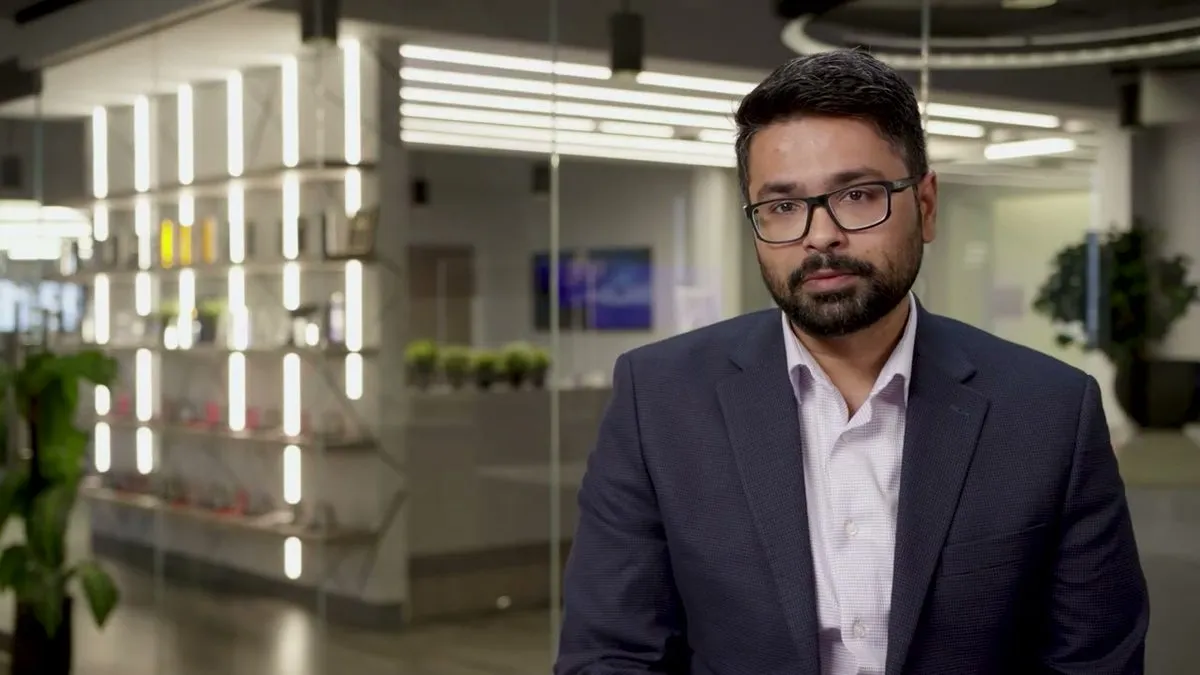
A video testimonial puts a named customer on camera, title and company on screen, saying what changed for them: proof a buyer can check, which works on the sales page, in the deck, at the booth and on LinkedIn, and which one interview turns into several films.
What follows is our reasoning, and what the published evidence does and does not show.
Proof a buyer can check
Your own copy is a claim. A customer saying the same thing, with their name, title and company on screen, is evidence: the buyer can look the person up, recognize the company, and ask your sales team for the reference. That is the whole difference, and it is why a testimonial with a first name and a stock smile does so little.
Buyers already lean on other customers. In TrustRadius's 2026 B2B Buying Disconnect survey of 1,862 tech buyers, 74% said they use reviews to inform the purchase. That survey is about reviews in general, not video, but it shows where trust sits: with people who bought before them.
One film, many places
A customer story is not a homepage ornament. The same film does a different job in each place a buyer meets you:
- The sales page and the pricing page, where the buyer is deciding.
- The deck, where a rep needs someone other than themselves to say it.
- The booth, where a loop of customers talks to people walking past.
- LinkedIn and email, where a short cut travels further than a link to a case study.
- The customer stories page, with the written version and the transcript under the film.
One interview, several cuts
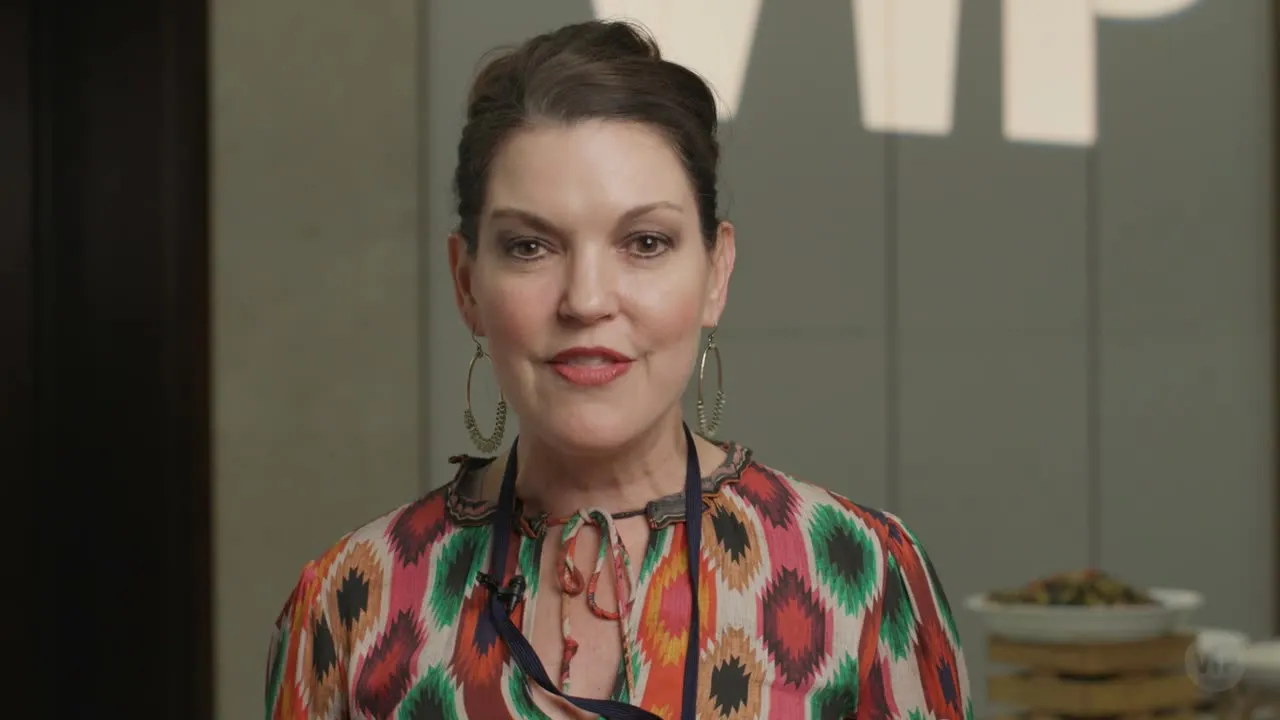
One good interview usually holds more than one film. From a single conversation we cut the 90-second customer story, a 45-second testimonial, short captioned clips for social, a quote card and a written page. When several customers are interviewed, themes appear across them, and a few voices on one point make a film of their own. The sequence is on the home page, and the examples show both forms.
AI assistants can cite it
Buyers now ask ChatGPT, Gemini and Perplexity who to trust, and they check what they hear. In the same TrustRadius survey, 94% of the buyers who used AI to research a purchase fact-checked what it told them. A customer story built for that, with the customer named on the page, the transcript under the film and the answer in the first sentence, gives an assistant something it can quote and a buyer something they can trace.
What the evidence does not show
We looked for independent, controlled evidence that a video testimonial converts better than a written one, in B2B. We did not find any. The figures that circulate, a percentage lift in conversions or in trust, come from vendors selling testimonial software and do not cite a study we could check, so they are not on this page.
What the surveys do show is use. Wyzowl's State of Video Marketing survey of video marketers reports that 57% of them make customer testimonial videos. That says testimonial video is common, not that it works better than something else. Our case rests on the reasoning above, which a buyer can test against their own sales cycle.
What it takes from you
The introduction. We do the pre-call, direct the interview remotely and cut the films; the remote interview is in the rate. See the work, see the price per customer, or read how to get video testimonials from customers.
Sources
- TrustRadius, 2026 B2B Buying Disconnect Report, survey of 1,862 tech buyers, as reported by HG Insights. hginsights.com/news/trustradius-2026-b2b-buying-disconnect-report-reveals-ai-has-changed-how-buyers-research-but-not-what-they-trust/
- Wyzowl, State of Video Marketing, survey of video marketers. wyzowl.com/sovm-results-2025/
Start with one call.
One call. Which customers, what each story has to prove, and how many you want this year. We come back with a plan at the price on the page.
Get started