Testimonial StudiosGuides
Legal testimonial video guidelines
In the US, a testimonial video has to carry the customer's honest opinion in their own words, disclose any material connection inside the video itself, and not imply results most buyers will not get; add signed releases, written permission for the name and logo, and captions, and it is ready to publish.
This page describes the rules as published and is not legal advice. Your counsel has the final say on your films. Checked against the sources at the end on November 4, 2026.
The checklist
- The customer's honest opinion, in their own words, not a script (255.1).
- Any material connection said inside the video, not only in the description (255.5).
- A result stated on camera has evidence behind it, or the typical result is shown beside it (255.2).
- No fake, bought or undisclosed insider testimonials (Part 465).
- Appearance release for every person on camera, location release for every place.
- Written permission for the customer's name and logo.
- Captions on the film.
- For a customer in the EU or the UK, a plan for taking the film down if consent is withdrawn.
Which rules apply
The main US rules are the FTC's Endorsement Guides, 16 CFR Part 255. They cover endorsements in any advertising, marketing or promotional message (255.0), which is what a testimonial video on your site, in your deck or in an ad is. Alongside them sits the FTC's rule on consumer reviews and testimonials, 16 CFR Part 465, covered below.
The honest-opinion principle
"Endorsements must reflect the honest opinions, findings, beliefs, or experience of the endorser."
16 CFR 255.1(a)
Two more lines in the same section matter for video. An endorsement may not be presented out of context or reworded so as to distort the endorser's opinion (255.1(b)), so an edit can shorten what a customer said but not change what they meant. And when the film says the customer uses the product, they must have been a genuine user at the time they said it (255.1(c)).
This is the legal reason to interview rather than script. A line the customer did not hold is a compliance problem, not only a craft one.
Material connections, disclosed in the video itself
If there is a connection between you and the customer that could change how much weight a viewer gives their words, and the viewer would not expect it, it must be disclosed clearly and conspicuously (255.5). The Guides name business, family and personal relationships, payment, free or discounted products (even unrelated ones), early access and prizes. A disclosure needs enough detail for a viewer to judge the connection; it does not need every term.
"Clear and conspicuous" means a disclosure is "difficult to miss (i.e., easily noticeable)" and easily understood by ordinary viewers (255.0(f)). For video the FTC is direct: a disclosure in the description alone is not enough, and it "has the best chance of being clear and conspicuous if it's included in the video itself." One of the Guides' own examples makes the same point for an interview: the relationship is disclosed during the interview, not only in the closing credits (255.5, Example 3).
In B2B the usual connections are a discount or credit for appearing, a reseller or partner relationship, a customer who is also an investor, or a speaker who works for you. Say it on screen, in plain words.
Typical results
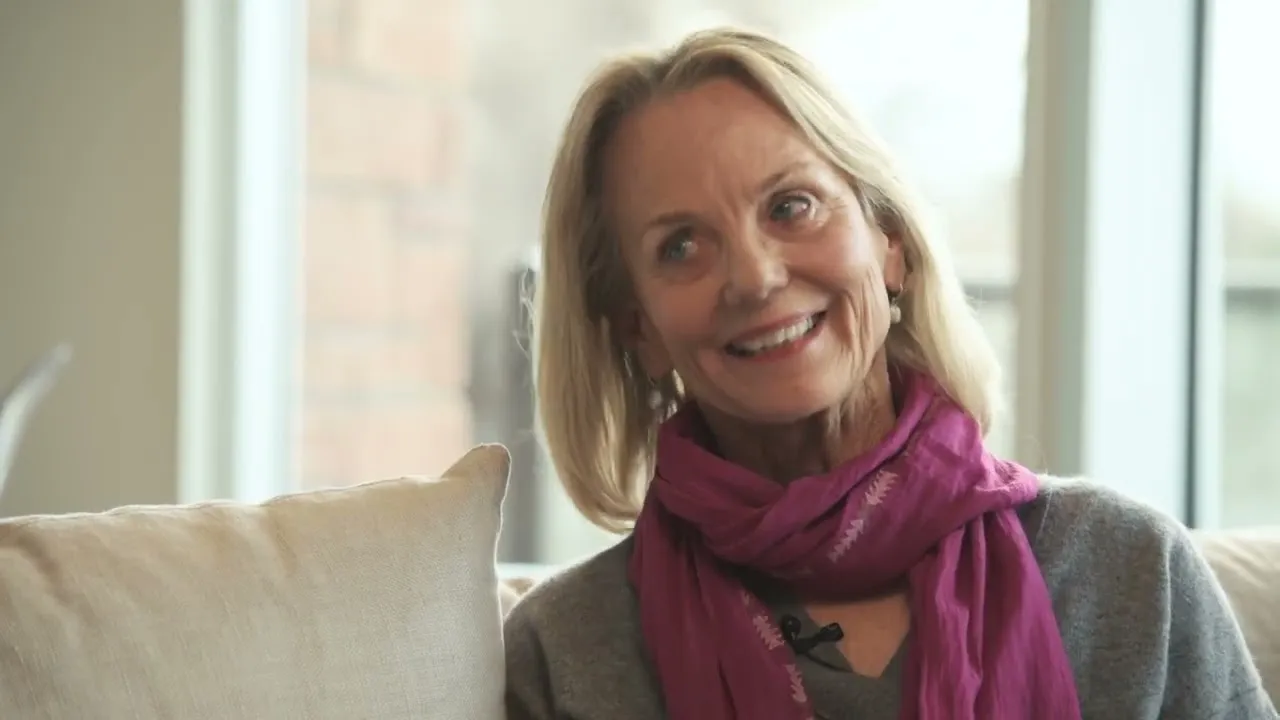
When a customer describes their own results, viewers will likely take that as what they can generally expect (255.2(b)). The ad is also read as saying the product works for the purpose shown, so you need substantiation for the claims the customer makes (255.2(a)).
If you cannot show that the customer's experience is representative, the ad should clearly and conspicuously disclose the generally expected performance in the circumstances shown, and that disclosure has to change the overall impression so it is not misleading. In practice: when a customer states a number on camera, have the evidence behind it, or show what buyers generally get next to it.
Fake and bought testimonials
The FTC's Trade Regulation Rule on the Use of Consumer Reviews and Testimonials, 16 CFR Part 465, was published in the Federal Register on August 22, 2024 and took effect on October 21, 2024. It bans six practices:
- Fake or false reviews and testimonials, including ones from people who do not exist or never used the product, and AI-generated fakes, which the FTC names in its announcement (465.2).
- Buying positive or negative reviews: compensation or incentives conditioned on a particular sentiment, stated or implied (465.4).
- Reviews and testimonials from insiders, such as officers and managers, without a clear disclosure of the connection (465.5).
- Company-controlled review websites presented as independent (465.6).
- Suppressing reviews through unfounded legal threats, intimidation or false accusations (465.7).
- Buying or selling fake social media indicators, such as followers or views (465.8).
The rule lets the FTC seek civil penalties against knowing violators: up to $53,088 per violation, as adjusted in 2025 and unchanged for 2026 (Federal Register, January 17, 2025; FTC notice of September 15, 2026). Part 465 is written around consumer reviews and testimonials; whether it reaches a particular business-to-business film is a question for your counsel. None of the six practices belongs in an honest testimonial program anyway.
Releases: appearance and location
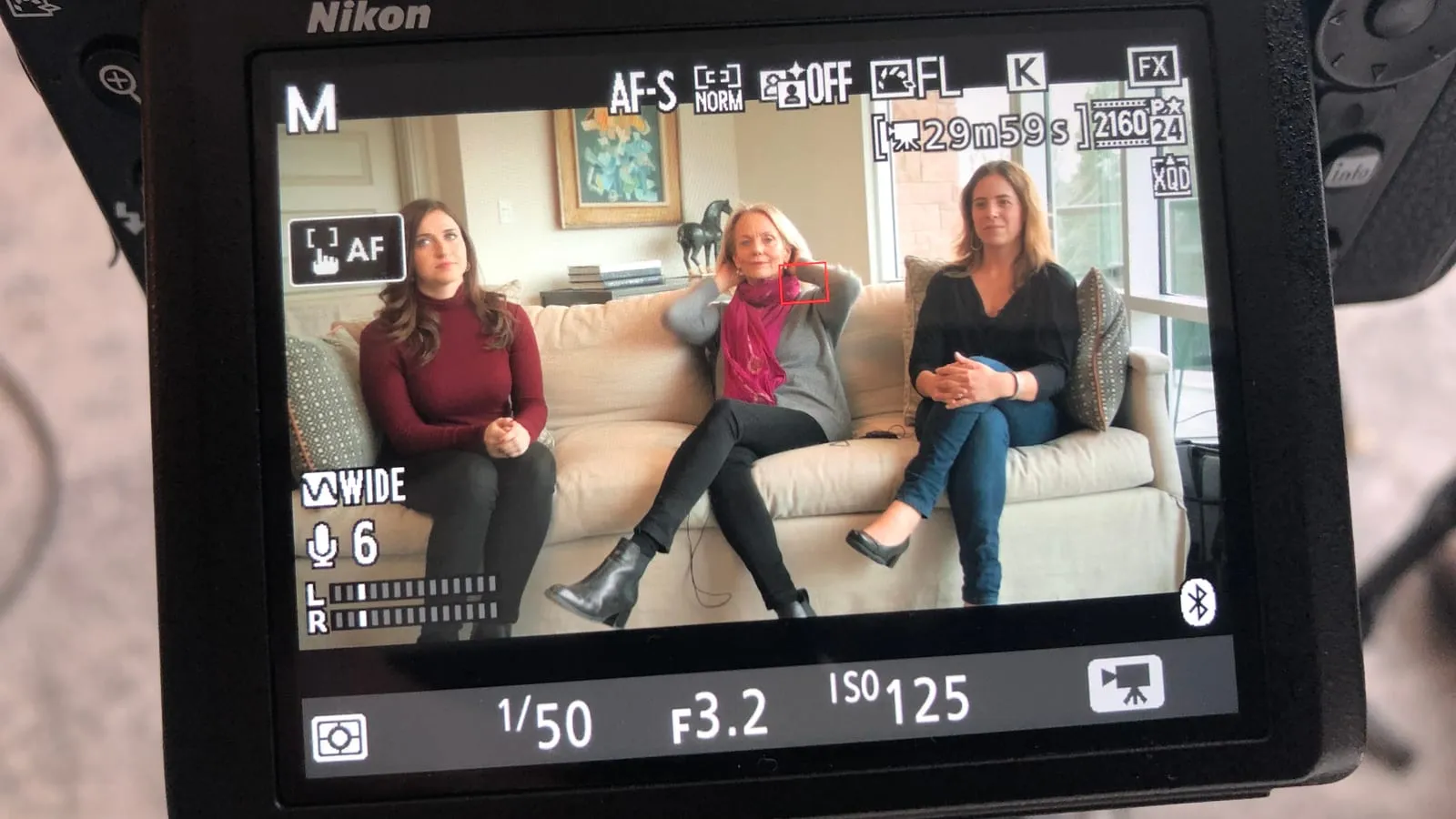
Every person on camera signs an appearance release, and any place we film signs a location release. These are contracts, not FTC rules, and the rules on using a person's name, face and voice vary by place, so the wording is a question for counsel. What to ask your counsel to check a release covers:
- The person's name, likeness, voice and the words they said.
- Where the film can run and for how long.
- That it may be edited and cut into shorter versions.
- What happens if the person leaves the company or asks for it to come down.
We bring our releases to every shoot and they are signed before we roll.
Using the customer's name and logo
A customer agreeing to speak is not the same as their company agreeing to have its name and logo in your marketing. Get that permission in writing, usually from their comms, brand or legal team, and check whether your contract with them already says anything about it. Ask your counsel if you are unsure. Doing this before the interview means a finished film never waits on it.
Customers outside the US
For a customer in the EU or the UK, the GDPR applies to their image and voice. If the film rests on their consent, Article 7(3) is plain: "The data subject shall have the right to withdraw his or her consent at any time," and "It shall be as easy to withdraw as to give consent." Plan for that before you publish: know where every cut lives so one can come down. Which lawful basis fits your use is a question for your counsel or data protection officer.
Captions and accessibility
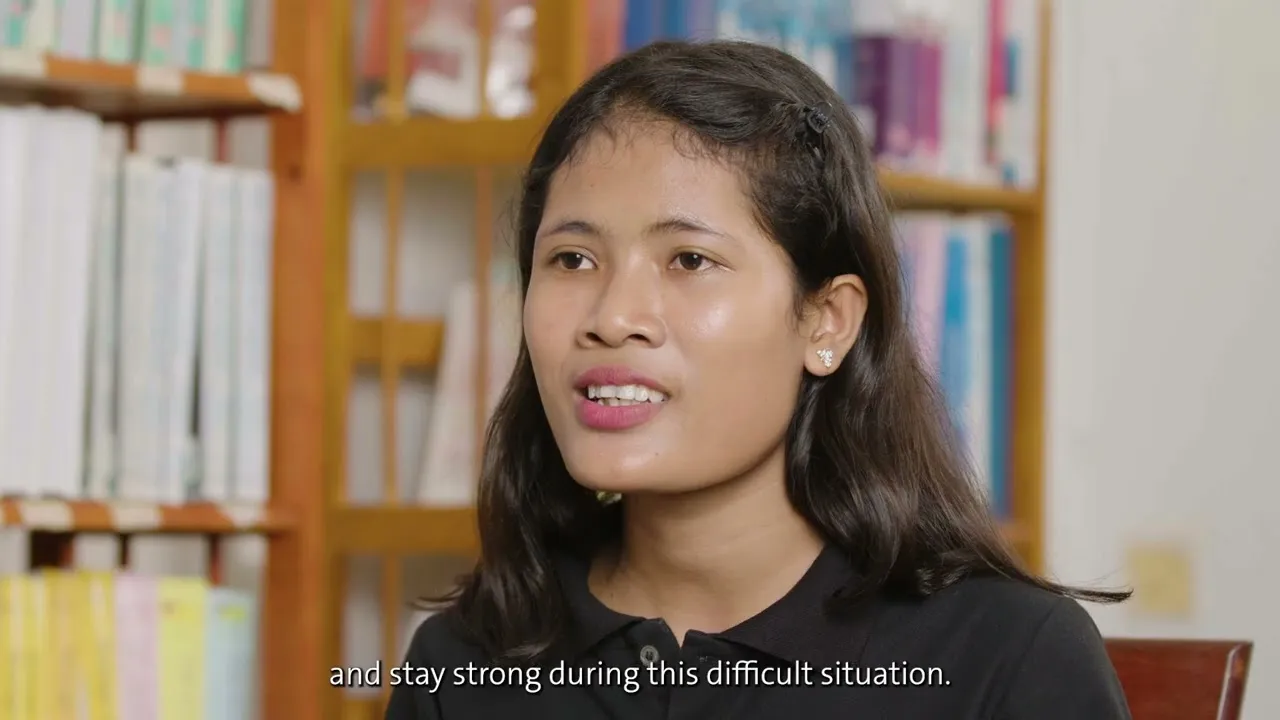
The Web Content Accessibility Guidelines, WCAG 2.2, Success Criterion 1.2.2 (Level A): "Captions are provided for all prerecorded audio content in synchronized media." The US Department of Justice's ADA web guidance lists captions among the aids businesses open to the public may need to provide and recommends "synchronized captions that are accurate and identify any speakers in the video." If your customer is a federal agency, Section 508 applies to its content, and Section508.gov says captions must include all of the dialogue, verbatim or in essence, and all important sounds.
Captions also carry a film on a muted feed. Every film we deliver is captioned.
What we do on every shoot
- Appearance releases for every person on camera and a location release for any site we film. We bring them, and they are signed before we roll.
- Interviewed, never scripted. The customer's words are their own.
- Edits shorten, never change the meaning, and the customer approves the cut.
- We ask about any connection between you and the customer before the interview, and when there is one, the disclosure goes on screen.
- Name, title and company on screen, with written permission for the name and logo.
- Captions on every film.
- The full footage and the transcript are kept, so the record is there if anyone asks.
How to get video testimonials from customers puts these in order, the examples show the films, and pricing has the price per customer.
Sources
- 16 CFR 255.0, purpose and definitions (Cornell LII). www.law.cornell.edu/cfr/text/16/255.0
- 16 CFR 255.1, general considerations (Cornell LII). www.law.cornell.edu/cfr/text/16/255.1
- 16 CFR 255.2, consumer endorsements and typical results (Cornell LII). www.law.cornell.edu/cfr/text/16/255.2
- 16 CFR 255.5, material connections (Cornell LII). www.law.cornell.edu/cfr/text/16/255.5
- FTC, "FTC's Endorsement Guides: What People Are Asking." www.ftc.gov/business-guidance/resources/ftcs-endorsement-guides-what-people-are-asking
- 16 CFR Part 465, Use of Consumer Reviews and Testimonials (Cornell LII). www.law.cornell.edu/cfr/text/16/465.1
- FTC press release, final rule banning fake reviews and testimonials, August 14, 2024. www.ftc.gov/news-events/news/press-releases/2024/08/federal-trade-commission-announces-final-rule-banning-fake-reviews-testimonials
- Federal Register, Adjustments to Civil Penalty Amounts, January 17, 2025. www.federalregister.gov/documents/2025/01/17/2025-01361/adjustments-to-civil-penalty-amounts
- Federal Register, FTC notice FR Doc 2026-18853, civil penalty amounts unchanged for 2026, published September 15, 2026. public-inspection.federalregister.gov/2026-18853.pdf
- GDPR Article 7, conditions for consent. gdpr-info.eu/art-7-gdpr/
- W3C, Understanding WCAG 2.2 Success Criterion 1.2.2, Captions (Prerecorded). www.w3.org/WAI/WCAG22/Understanding/captions-prerecorded.html
- US Department of Justice, Guidance on Web Accessibility and the ADA. www.ada.gov/resources/web-guidance/
- Section508.gov, Create Accessible Captions and Transcripts. www.section508.gov/create/captions-transcripts/
Start with one call.
One call. Which customers, what each story has to prove, and how many you want this year. We come back with a plan at the price on the page.
Get started